


Top 5 Reasons to Conduct an Electrical Safety Check
Have you ever wondered what's really going on behind your walls? When was the last time you thought about the wiring running through your home or business? If you're like most Australians, electrical safety probably isn't something you think about daily—until something goes wrong.
An electrical safety check is a thorough inspection of your property's electrical systems, carried out by a qualified electrician. During this process, they examine everything from your switchboard and wiring to power points, light fittings, and safety switches. The goal is simple: identify potential hazards before they become dangerous problems. Think of it as a health check-up for your property's electrical system.
Whether you're a homeowner, renter, landlord, or business owner, prioritising electrical inspections should be at the top of your to-do list. Electrical faults cause hundreds of house fires across Australia each year, and many of these could be prevented with regular safety checks. In this article, we'll explore the top five reasons why conducting an electrical safety check is absolutely vital for protecting your property, your wallet, and most importantly, the people you care about.
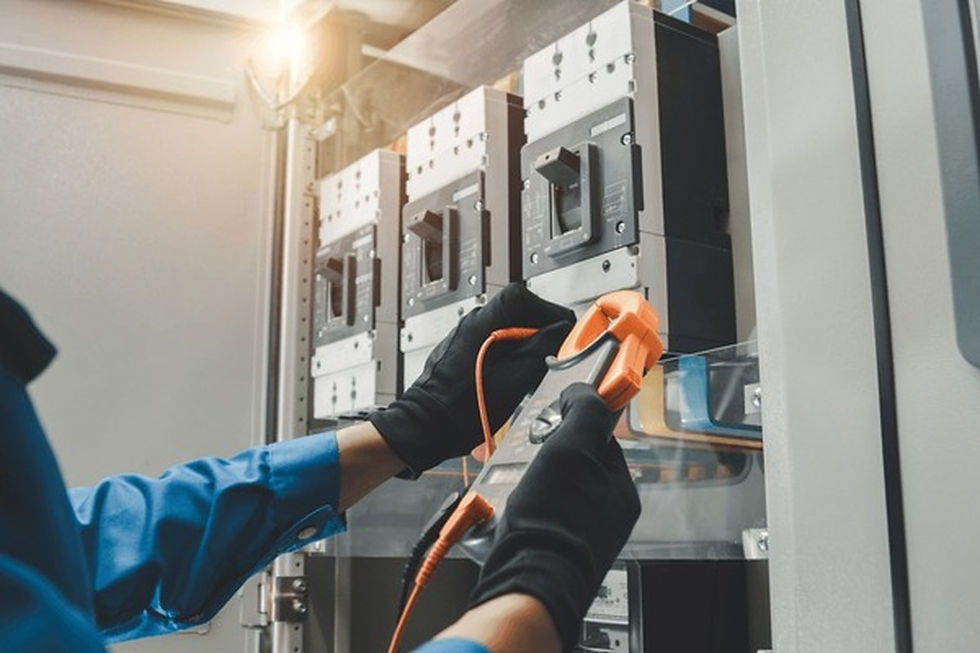
Protect Your Family and Property from Electrical Fires
Electrical faults are one of the leading causes of house fires in Australia. Faulty wiring, overloaded circuits, and damaged electrical components can all spark fires that spread rapidly through a property. The scary part? Many of these issues remain hidden until it's too late.
How Do Electrical Faults Cause House Fires?
When wiring deteriorates or connections become loose, electrical current can arc between conductors. This creates intense heat that can ignite surrounding materials like timber framing or insulation. Overloaded circuits generate excessive heat too, particularly in older homes that weren't designed to handle today's electrical demands. Plus, damaged appliance cords and faulty power points can create dangerous hot spots throughout your property.
Warning Signs Your Wiring May Be a Fire Hazard
Keep an eye out for flickering lights, buzzing sounds from outlets, or a burning smell near electrical fixtures. Discoloured power points, frequently tripping circuit breakers, and outlets that feel warm to touch are all red flags. If you notice any of these warning signs, book an inspection immediately rather than waiting for your next scheduled check.
Older homes built before the 1980s deserve special attention. The wiring in these properties may not meet current safety standards, and insulation around cables can become brittle and crack over time. Regular electrical inspections for older homes are critical for catching these age-related issues early.
Ensure Compliance with Australian Electrical Safety Standards
Australia has strict regulations governing electrical installations and safety. Understanding your legal obligations isn't just about avoiding fines—it's about keeping everyone safe.
What Are the Legal Requirements for Electrical Safety Checks in Australia?
Australian states and territories have varying requirements for electrical safety compliance. In Queensland, for example, landlords must have safety switches installed and ensure all electrical equipment is safe. Victoria requires landlords to arrange electrical safety check every two years for rental properties. Failing to meet these standards can result in significant penalties and, more importantly, puts lives at risk.
How Often Should You Have an Electrical Safety Inspection?
For most residential properties, experts recommend an electrical safety inspection every five years. However, rental properties typically require more frequent checks—usually every two years. Commercial properties may need annual inspections depending on the nature of the business and equipment used.
Consequences of Non-Compliance for Landlords and Property Managers
Landlords who neglect their electrical safety obligations face serious consequences. Beyond hefty fines, you could be held liable if a tenant is injured due to faulty electrics. Insurance claims may be rejected if inspections weren't up to date. Building on this, non-compliant properties can be deemed uninhabitable, forcing costly emergency repairs and potential legal action from tenants.
Identify Hidden Electrical Hazards Before They Become Dangerous
The tricky thing about electrical hazards is that many remain completely invisible until they cause problems. That's where professional inspections prove invaluable.
What Does an Electrician Check During a Safety Inspection?
A qualified electrician will examine your entire electrical system methodically. This includes testing safety switches and circuit breakers, inspecting the switchboard for signs of damage or overheating, and checking all power points and light switches. They'll also assess wiring condition where accessible, test smoke alarms, and verify that all installations meet current safety standards.
Common Electrical Problems Found During Routine Checks
You'd be surprised what electricians discover during routine inspections. Outdated wiring that can't handle modern electrical loads is incredibly common. Other frequent finds include missing or faulty safety switches, improper DIY electrical work, rodent damage to cables, and deteriorating connections within the switchboard. Each of these issues poses genuine safety risks.
Can Faulty Wiring Be Detected Without an Inspection?
In short, not reliably. While some warning signs like flickering lights or tripping circuits might indicate problems, many faults remain completely hidden. Wiring concealed within walls, ceilings, and floors can deteriorate silently for years. Only a thorough inspection using proper testing equipment can identify these concealed hazards before they cause fires or electrocution.
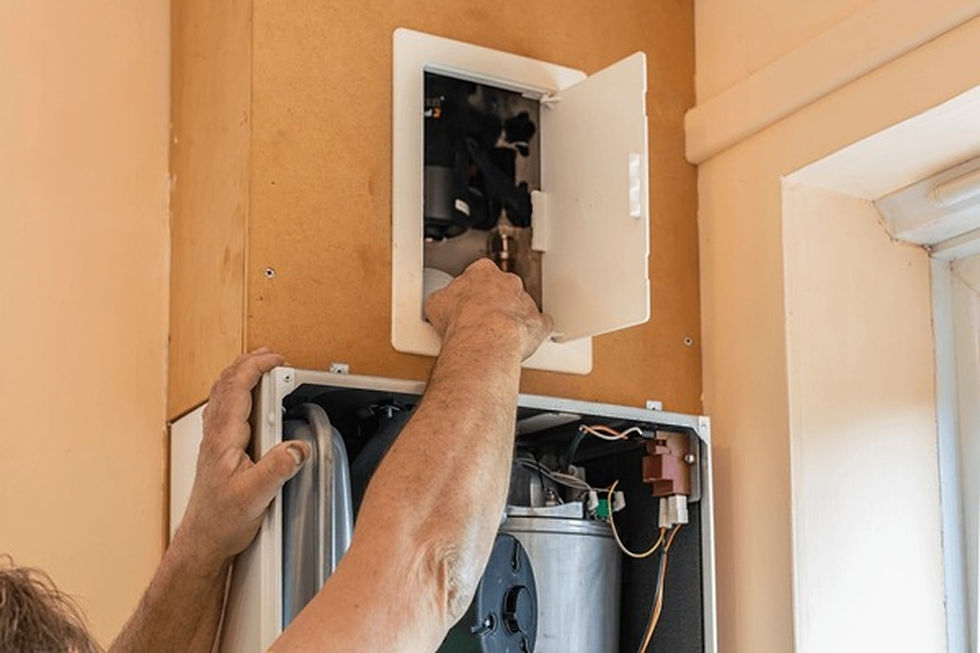
Save Money on Energy Bills and Prevent Costly Repairs
Beyond safety, electrical inspections can actually save you considerable money over time. It sounds counterintuitive to spend money to save money, but the maths adds up.
How Can an Electrical Safety Check Reduce Your Electricity Bill?
Faulty electrical systems often work harder than necessary, wasting energy and driving up your bills. Loose connections create resistance that generates heat—and wasted electricity. Outdated lighting systems, inefficient appliances, and poorly configured circuits all contribute to higher energy consumption. An electrician can identify these inefficiencies and recommend improvements that lower your ongoing costs.
Signs of Inefficient Electrical Systems in Your Home
Watch out for these indicators of electrical inefficiency:
- Electricity bills that seem unusually high for your usage
- Lights that dim when appliances turn on
- Appliances that take longer to heat up or run
- Circuit breakers that trip frequently
- Hot spots on walls near electrical outlets
If any of these sound familiar, your electrical system might be working overtime unnecessarily.
Preventative Maintenance vs Emergency Electrical Repairs: The Real Cost Difference
Emergency electrical repairs almost always cost significantly more than planned maintenance. When something fails unexpectedly, you're paying premium rates for urgent callouts—often outside business hours. What's more, emergency situations frequently involve additional damage. A small wiring fault that could have been fixed for a few hundred dollars during an inspection might cause thousands in damage if it sparks a fire. Preventative maintenance is simply smart financial planning.
Peace of Mind for Homeowners, Renters, and Landlords
There's something to be said for simply knowing your property is safe. That reassurance is priceless, especially when family members or tenants are involved.
Why Is Electrical Safety Important in Rental Properties?
Rental properties face unique challenges. Tenants may not notice or report early warning signs of electrical problems. Turnover between tenancies can mean issues go undetected for extended periods. Landlords have both moral and legal responsibilities to provide safe accommodation. Regular electrical safety checks in rental properties protect everyone—tenants stay safe, and landlords avoid liability issues.
What Happens If an Electrical Fault Is Found During an Inspection?
Don't panic if your electrician finds problems—that's exactly why you're having the inspection! Your electrician will document all issues and provide clear recommendations for repairs. Some problems might need immediate attention, while others can be scheduled for later. You'll receive a detailed report outlining the work required, allowing you to budget and plan accordingly. Finding issues during an inspection is always better than discovering them through an accident.
How to Choose a Qualified Electrician for Your Safety Check
Selecting the right electrician matters enormously. Always verify they hold a current electrical licence for your state or territory. Check online reviews and ask for references from previous clients. Make sure they carry appropriate insurance coverage. A reputable electrician will happily provide their licence number and answer any questions about their qualifications. Don't be tempted by unusually cheap quotes—quality electrical work requires proper training and equipment.
How Often Should You Schedule an Electrical Safety Check?
Knowing when to book inspections helps you stay on top of electrical safety without unnecessary expense.
Recommended Inspection Frequency for Different Property Types
Owner-occupied homes should have inspections every five years, or whenever purchasing a new property. Rental properties require checks every two years in most states. Commercial premises need annual inspections, particularly for businesses with heavy electrical equipment. Older properties—anything built before 1980—benefit from more frequent checks, perhaps every three years.
When to Book an Urgent Electrical Inspection
Certain situations demand immediate professional attention. If you experience electrical shocks from appliances or switches, notice burning smells near outlets, or see sparks when plugging in devices, call an electrician straight away. Following a major storm, flooding, or any water damage near electrical components, arrange an urgent inspection. Similarly, if you've just purchased an older property or discovered evidence of DIY electrical work, get it checked before using the system extensively.
Taking the Next Step Towards a Safer Home or Workplace
We've covered a lot of ground, and hopefully, the importance of regular electrical safety checks is now crystal clear. From preventing devastating house fires to ensuring legal compliance, identifying hidden hazards, saving money, and gaining genuine peace of mind—the benefits are undeniable.
The bottom line is this: electrical safety isn't something to put off until tomorrow. Those hidden faults behind your walls won't fix themselves, and the risks only increase with time. Whether you're protecting your family home, managing rental properties, or running a business, scheduling regular inspections is one of the smartest decisions you can make.
So, what's your next move? If it's been more than five years since your last electrical safety check—or if you've never had one—now's the time to act. Reach out to a licensed electrician in your area and book an inspection. It's a small investment that could save your property, your finances, and potentially lives. Your future self will thank you for taking action today.


Comments