


How to Optimise the Use of Construction Sheds for Your Projects
Ever wondered why some construction sites run like clockwork while others seem chaotic? What makes the difference between a project that stays on budget and one that spirals out of control? Could the humble construction shed be the unsung hero of site efficiency?
Here's the thing – your construction shed is far more than just a metal box sitting on site. It's your command centre, storage hub, and staff haven all rolled into one. When you get your shed setup right, everything else tends to fall into place. Tools are where they should be, materials stay protected, and your team has somewhere decent to take a break.
In this guide, we'll walk you through everything you need to know about making your construction sheds work harder for you. From choosing the right size and type to setting up smart storage systems, creating comfortable workspaces, and keeping everything secure – we've got you covered. Whether you're managing a residential build in suburban Melbourne or coordinating a commercial project in Brisbane, these tips will help you squeeze every bit of value from your site shed.
Understanding Construction Sheds: The Basics
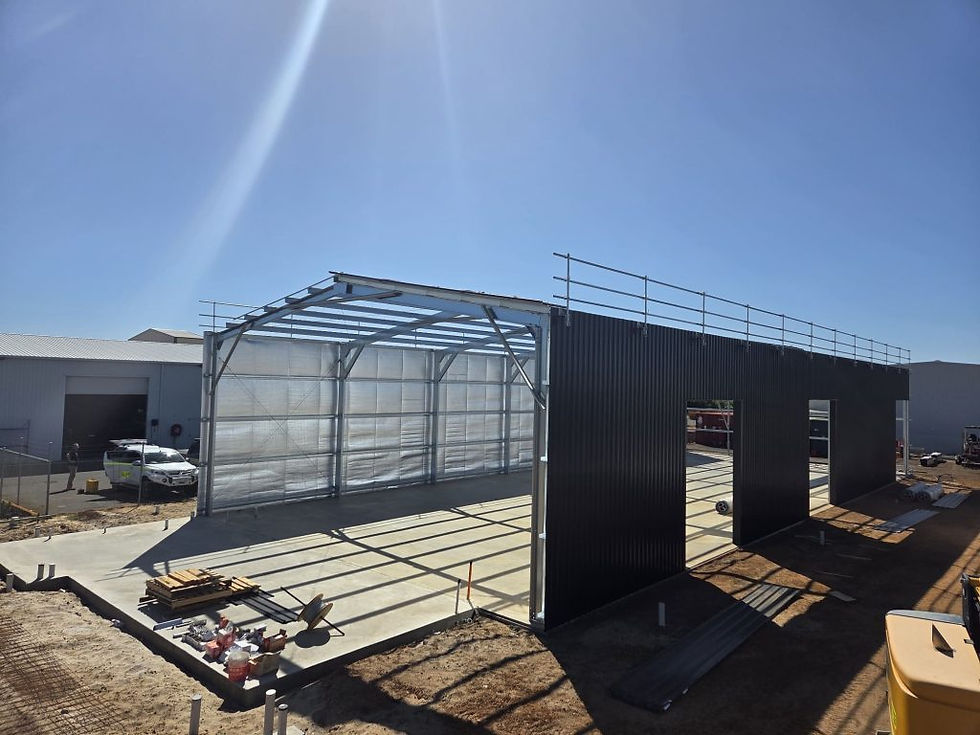
So, what exactly is a construction shed? Simply put, it's a temporary structure used on building sites to store equipment, house site offices, and provide amenities for workers. Think of it as your project's home base.
In Australia, you'll find several types available. Portable site offices come equipped with desks, power, and sometimes air conditioning – perfect for project managers and admin staff. Storage sheds keep your tools, materials, and equipment secure and dry. Then there are combo units that offer both office space and storage in one package.
When choosing a construction sheds Melbourne , look for durable steel construction, secure locking mechanisms, and adequate ventilation. Consider whether you need windows for natural light, electrical fit-outs, or climate control options. The right features depend entirely on how you plan to use the space.
Planning Your Construction Shed Setup
How Do I Determine the Right Size Shed for My Construction Project?
Getting the size right matters more than you might think. Too small and you'll be cramming equipment in corners. Too big and you're wasting money and valuable site space.
Start by listing everything that needs to go in your shed. Include tools, materials, office furniture, and break room essentials. Then add about 20% extra space for movement and future needs. A standard 6m x 3m shed works well for small to medium residential projects, while larger commercial builds might need 12m units or multiple sheds.
Don't forget to assess your site's constraints. Check access routes for delivery trucks, consider where utilities connect, and ensure you've got enough clearance around the shed for safe operation. In Australia, you'll also need to check local council requirements – some areas require permits for temporary structures, particularly if they'll be on site for extended periods.
Maximising Storage Efficiency in Your Construction Shed
Smart Organisation Systems for Tools and Materials
A well-organised shed saves time and reduces frustration. Nobody wants to spend twenty minutes hunting for a specific drill bit when there's work to be done.
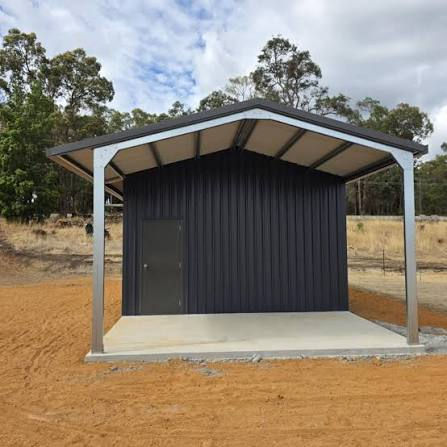
Start by categorising items by trade or task. Keep electrical supplies together, plumbing gear in its own section, and general tools easily accessible. Use clear labelling on shelves and containers so anyone can find what they need quickly.
What Is the Best Way to Store Equipment in a Construction Shed?
The golden rule? Everything needs a home. Install pegboards for hand tools, magnetic strips for metal items, and heavy-duty hooks for power leads and hoses.
Shelving and racking systems are game-changers for shed organisation. Adjustable steel shelving lets you customise spacing as your storage needs change. For heavier items like generators or compressors, keep them at floor level on sturdy pallets. Frequently used items should sit at eye level, while seasonal or rarely needed gear can go up high.
Creating Functional Workspaces Within Your Shed
Setting Up a Site Office
Your site office is where plans come together and problems get solved. Make it work for you by including a decent desk, comfortable chair, and proper lighting. Good connectivity is essential – invest in reliable mobile broadband or satellite internet for remote locations.
Keep important documents organised in filing cabinets or waterproof containers. A large whiteboard or pinboard helps track progress, schedules, and important contacts. Plus, having a dedicated space for meetings beats standing around in the mud any day.
How Can I Make My Construction Shed More Comfortable for Staff?
Happy workers are productive workers. Simple additions make a massive difference to comfort levels. Consider installing insulation to regulate temperature, adding a small fridge for drinks and lunches, and providing a microwave for hot meals.
Comfortable seating in break areas shows your team you value their wellbeing. Good ventilation prevents that stuffy feeling during hot Australian summers, while adequate heating makes early morning starts more bearable in winter. These small investments pay off through improved morale and reduced staff turnover.
Safety and Security Best Practices
Essential Safety Features Every Construction Shed Needs
Safety isn't optional – it's mandatory. Every shed should have a fully stocked first aid kit, fire extinguisher, and clear emergency exit routes. Display emergency contact numbers prominently and ensure everyone knows evacuation procedures.
Proper electrical installations are crucial. All power points and lighting should meet Australian standards, and RCDs (residual current devices) protect against electrical faults. Keep walkways clear of obstacles and ensure adequate lighting both inside and outside the shed.
How Do I Secure My Construction Shed Against Theft?
Unfortunately, construction site theft is common in Australia. Protect your investment with quality padlocks on all doors – combination locks work well since there are no keys to lose or copy.
Consider installing security cameras or motion-sensor lights as deterrents. For high-value equipment, lockable cages inside the shed add another layer of protection. Some companies use GPS trackers on expensive tools, making recovery easier if theft does occur. Always maintain an updated inventory – knowing exactly what's on site helps with insurance claims and police reports.
Weather Protection and Climate Control
Are Construction Sheds Weatherproof?
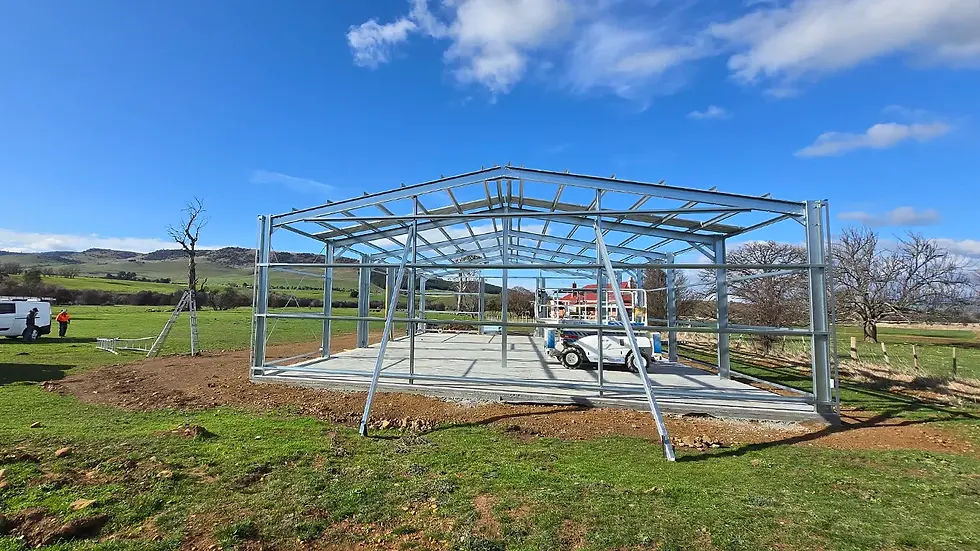
Quality construction sheds are designed to handle Australian conditions, but they're not impenetrable. Most offer solid protection against rain, wind, and dust when properly maintained.
Check door and window seals regularly – these are common entry points for water and dust. Ensure guttering directs water away from the shed base to prevent flooding. In cyclone-prone areas like Queensland, additional tie-downs and reinforcement may be necessary.
Ventilation and temperature management deserve attention, particularly during extreme weather. Whirlybirds or powered vents remove hot air during summer, while insulated panels help maintain comfortable temperatures year-round. In remote mining locations, air conditioning units become essential rather than optional.
Portable and Temporary Shed Options
Benefits of Portable Construction Sheds for Multiple Sites
Portable sheds offer flexibility that permanent structures simply can't match. When one project finishes, your shed moves to the next site – no need for new purchases or hire agreements.
Modern portable sheds come with forklift pockets and crane lifting points, making relocation straightforward. Many can be transported on standard trucks without requiring special permits or escort vehicles.
How Long Can You Keep a Temporary Construction Shed on Site?
Duration rules vary by council, but most areas allow temporary structures for the project's length. Some councils require permits for sheds staying longer than 30 days, while others have different thresholds. Always check local regulations before installation to avoid compliance headaches later.
Maintenance and Upkeep
Regular maintenance extends your shed's lifespan significantly. Monthly checks should include door hinges, locks, roof condition, and floor integrity. Address small problems quickly before they become expensive repairs.
Common issues include rust spots, leaking seals, and damaged flooring. Rust treatment and paint touch-ups prevent corrosion spreading, while replacing worn seals keeps water out. Consider replacement when repair costs approach 50% of a new shed's value – sometimes starting fresh is the smarter financial choice.
Key Takeaways for Optimising Your Construction Shed
Getting your construction shed setup right isn't rocket science, but it does require thought and planning. The effort you put in at the beginning pays dividends throughout your project.
Remember the essentials: choose the right size for your needs, organise storage logically, create comfortable workspaces, prioritise safety and security, and maintain everything properly. These fundamentals apply whether you're running a small renovation or a major commercial development.
Your next step? Take a good look at your current shed setup and identify three things you could improve this week. Maybe it's adding better shelving, improving security, or simply reorganising tools for easier access. Small changes add up, and before you know it, you'll have a shed that truly supports your project's success. Your team will thank you, your budget will thank you, and honestly, future you will wonder why you didn't do it sooner.


Comments