


Smart Slimline Metal Rainwater Tanks Storage Solutions
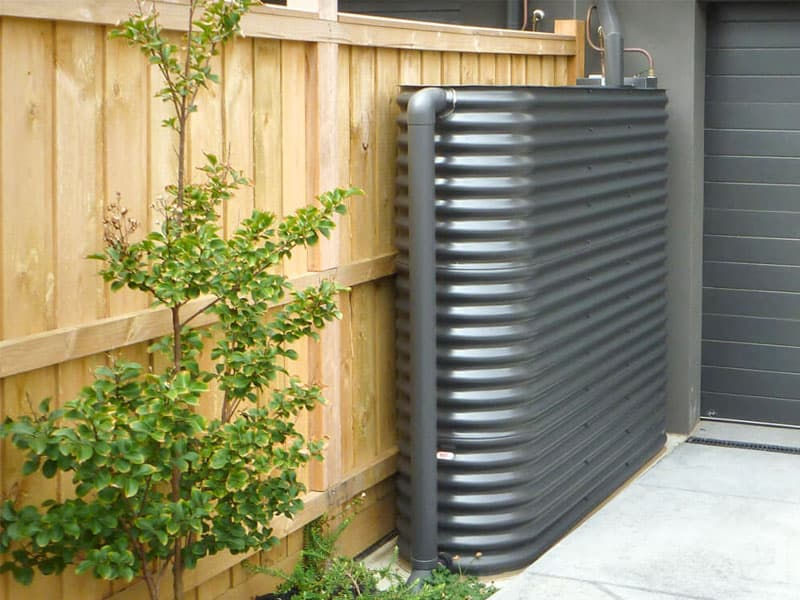
Collecting rainwater isn't just an old-fashioned practice from rural properties. It's making a serious comeback in suburban backyards and urban spaces alike. The key to making it work in tighter spaces? Slimline metal rainwater tanks. These clever storage solutions tuck neatly against walls and fences, turning previously wasted space into valuable water reserves.
In this guide, we'll explore everything you need to know about slimline metal rainwater tanks storage. You'll discover how they compare to traditional options, what capacities suit different households, and whether the investment truly pays off. We'll also cover installation requirements, water quality considerations, and tips for choosing the right tank for your property. Let's get stuck into it.
What Are Slimline Metal Water Tanks?
How Slimline Metal Rainwater Tanks Differ from Traditional Round Tanks
Traditional round water tanks have been the go-to choice for decades. They're efficient at holding large volumes of water, but they come with one significant drawback hey take up a lot of ground space. For properties with generous backyards, that's rarely an issue. For the rest of us? It's a different story.
Slimline metal rainwater tanks solve this problem beautifully. Their narrow, elongated design means they fit snugly against walls, fences, or alongside buildings. Think of them as the wardrobe version of water storage tall, slim, and surprisingly spacious inside. They typically measure anywhere from 300mm to 650mm in depth, making them perfect for those awkward spaces between your house and the boundary fence.
Materials Used: Colorbond Steel vs Galvanised Options
When it comes to metal tanks, you've got two main material choices. Colorbond steel is the premium option, featuring a baked-on colour finish that resists fading, chipping, and corrosion. It's available in a range of colours to match your home's exterior. Galvanised steel, on the other hand, offers excellent durability at a lower price point, though it lacks the colour customisation options. Both materials outperform plastic in terms of longevity and structural integrity.
Why Choose a Slimline Metal Rainwater Tanks Storage?
Space-Saving Benefits for Urban Properties
Living in the suburbs or inner-city doesn't mean you can't harvest rainwater. Slimline metal rainwater tanks are specifically designed for properties where space comes at a premium. That narrow strip along the side of your house? Perfect. The gap between your garage and the fence? Ideal. These tanks make use of spaces that would otherwise sit empty.
Durability and Longevity Compared to Plastic Tanks
Metal tanks simply last longer than their plastic counterparts. While plastic can become brittle over time, especially when exposed to Australia's harsh UV rays, quality steel tanks maintain their structural integrity for decades. They won't crack, warp, or degrade in the sun. Plus, they're less likely to develop algae problems because metal keeps water cooler and blocks light more effectively.
Aesthetic Appeal and Colour Matching Options
Let's be honest a big plastic tank isn't the most attractive addition to your home. Slimline metal rainwater tanks, particularly Colorbond options, blend seamlessly with modern architecture. With colour choices that match popular roofing and fencing shades, your tank can complement rather than compromise your property's appearance.
How Much Water Can a Slimline Metal Rainwater Tanks Hold?
Common Capacity Ranges (1,000L to 5,000L and Beyond)
Slimline metal rainwater tanks come in a variety of sizes to suit different needs. Entry-level options start around 1,000 litres enough for basic garden watering. Mid-range tanks holding 2,000 to 3,000 litres suit most suburban households. For serious water independence, tanks of 5,000 litres or more are available. Some manufacturers even offer modular systems, allowing you to connect multiple tanks together.
Calculating Your Household Water Needs
Working out your ideal tank size involves a few considerations. How much roof area do you have to collect from? What's the average rainfall in your region? What will you use the water for? As a rough guide, a 100-square-metre roof in an area receiving 600mm of annual rainfall could potentially collect 60,000 litres yearly. Of course, you won't capture all of that, but even a modest tank can make a significant difference to your water consumption.
Are Slimline Water Tanks Worth It?
Cost vs Value: Long-Term Savings on Water Bills
The upfront cost of a quality slimline metal rainwater tanks range from several hundred to a few thousand dollars, depending on size and specifications. However, the long-term savings can be substantial. Using harvested rainwater for gardens, toilets, and laundry can reduce your mains water usage by 40% or more. Over a 20-year lifespan, those savings add up considerably.
Environmental Benefits of Rainwater Collection
Beyond the financial benefits, rainwater harvesting reduces pressure on municipal water supplies and decreases stormwater runoff. It's a practical step towards sustainability that anyone can take. Your collected rainwater is also naturally soft and free from the chlorine and fluoride found in tap water plants particularly love it.
Where Should You Install a Slimline Metal Rainwater Tanks?
Side of House and Narrow Space Installations
The most popular location for slimline metal rainwater tanks is along the side of the house, where they can connect directly to existing downpipes. This position keeps them out of sight while maximising accessibility for maintenance. Other options include behind garages, along back fences, or even inside sheds or under decks for concealed installations.
Connecting to Downpipes and Guttering Systems
Installation involves directing water from your gutters into the tank via downpipes. A leaf diverter or gutter guard system helps keep debris out. Most setups include an overflow pipe to handle excess water during heavy rainfall, directing it safely away from your home's foundations.
Do Slimline Metal Rainwater Tanks Need a Concrete Base?
Foundation Requirements and Site Preparation
Yes, a solid foundation is essential. A full tank weighs considerably more than an empty one a 3,000-litre tank filled to capacity weighs around 3 tonnes. Most manufacturers recommend a reinforced concrete slab of at least 75mm thickness. The base should extend slightly beyond the tank's footprint and be perfectly level.
DIY Installation vs Professional Setup
While handy homeowners can tackle the installation, professional setup guarantees everything meets local requirements and manufacturer specifications. Professionals handle site preparation, plumbing connections, and pump installation if required. Given the weight and permanence of the installation, professional help often proves worthwhile.
How Long Do Metal Rainwater Tanks Last?
Warranty Considerations and Manufacturer Guarantees
Quality slimline metal rainwater tanks typically come with warranties ranging from 10 to 20 years. Premium Colorbond tanks often feature separate warranties for the tank body and the colour coating. Always check what's covered some warranties exclude damage from improper installation or lack of maintenance.
Maintenance Tips to Extend Tank Lifespan
Regular maintenance keeps your tank performing optimally for decades. Inspect inlet screens and gutters quarterly to remove debris. Check for any signs of corrosion annually, particularly around fittings and joints. Flush the tank every few years to remove sediment that naturally accumulates at the bottom.

Can You Drink Rainwater from a Metal Tank?
Water Quality and Safety Considerations
Rainwater from a properly maintained metal tank is generally safe for non-potable uses like gardening, washing clothes, and flushing toilets. For drinking, additional treatment is recommended. Factors affecting water quality include your roof material, surrounding environment, and how well you maintain your collection system.
Filtration and First-Flush Diverter Systems
A first-flush diverter is essential for any rainwater system. It diverts the initial flow of water which contains the most contaminants washed from your roof away from the tank. For drinking water, add a quality filtration system and consider UV treatment. Many Australian households successfully drink their rainwater with the right filtration setup.
Choosing the Slimline Metal Rainwater Tanks for Your Property
Measuring Your Available Space
Before purchasing, measure your intended installation space carefully. Note the length, depth, and height available, accounting for any overhanging eaves or obstacles. Remember to allow clearance for access during installation and future maintenance.
Understanding Local Council Regulations and Rebates
Most councils have specific requirements regarding tank placement, including setbacks from boundaries and maximum heights. Some areas require development approval for larger tanks. On the positive side, many councils and state governments offer rebates for rainwater tank installations check what's available in your area before purchasing.
Conclusion
Slimline metal rainwater tanks represent a brilliant solution for Australian homeowners wanting to embrace water independence without sacrificing precious backyard space. Their durability, aesthetic appeal, and space-efficient design make them ideal for modern properties of all sizes.


Comments