


Expert Roofing Repairs to Extend the Life of Your Roof
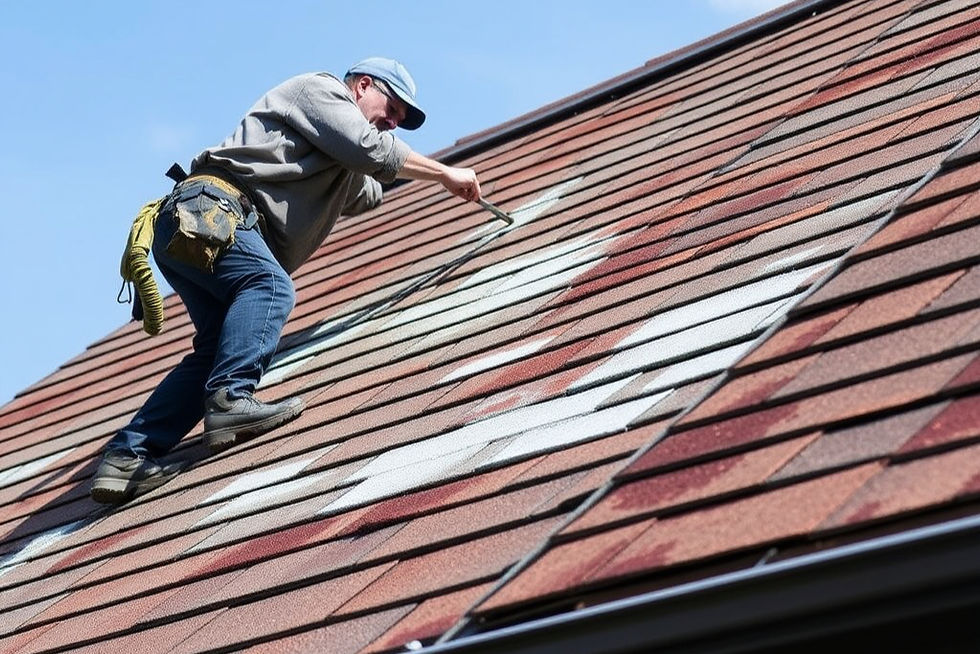
We'll explore everything you need to know about keeping your roof in top condition through expert roofing repairs. You'll discover the common problems Australian homeowners face, learn when to call in the professionals, and understand how timely maintenance can add years even decades to your roof's lifespan. Plus, we'll break down the costs involved and help you make smart decisions about roofing repairs versus replacement. Ready to give your roof the care it deserves? Let's get stuck into it.
Understanding Your Roof's Lifespan
How Long Should a Roof Last in Australia?
Most Australian roofs are built to last between 20 and 50 years, depending on the materials used. Metal roofing repairs, particularly Colorbond, typically lasts 40 to 70 years with proper care. Concrete and terracotta tiles can push past 50 years, while asphalt shingles generally have a shorter lifespan of around 15 to 25 years.
However, these figures assume ideal conditions and regular maintenance. In reality, your roof's actual lifespan depends heavily on where you live and how well you look after it.
Factors That Affect Roof Longevity
Several elements influence how long your roof will serve you. Climate plays a massive role coastal properties deal with salt corrosion, while inland homes face extreme temperature fluctuations. The quality of the original installation matters too. A poorly fitted roof will deteriorate faster, regardless of how premium the materials are.
Tree coverage is another consideration. Overhanging branches drop debris, hold moisture against your roof, and can cause physical damage during storms. What's more, the colour of your roof affects heat absorption, which influences expansion and contraction over time.
Signs Your Roof Is Ageing Faster Than It Should
Keep an eye out for warning signs. Visible sagging, cracked or displaced tiles, rust patches, and water stains on your ceiling all suggest your roof is struggling. If you notice granules from shingles collecting in your gutters or daylight peeking through your roof space, it's time to take action.
Common Roofing Repairs Problems Australian Homeowners Face
Storm and Weather Damage
Australian storms are notoriously fierce. High winds can lift tiles, dislodge flashings, and send debris crashing onto your roof. Hail causes dents in metal roofing repairs and cracks tiles. After any significant weather event, a quick visual check can help you catch damage early.
Leaks and Water Damage
Water is your roof's worst enemy. Leaks often start small a tiny gap around a flashing or a hairline crack in a tile. But left unchecked, water infiltration leads to mould growth, timber rot, and compromised structural integrity. The tricky part? Many leaks go undetected until they've already caused serious damage.
Cracked, Broken or Missing Tiles
Tiles can crack from impact, thermal movement, or simply age. Missing tiles leave your roof membrane exposed to the elements, accelerating deterioration. Even a single broken tile can allow water penetration during heavy rain.
Rust and Corrosion on Metal Roofs
Metal roofs are durable, but they're not invincible. Rust typically starts at scratches, cut edges, or areas where protective coatings have worn away. Coastal properties are particularly susceptible due to salt-laden air. Early treatment prevents rust from spreading and eating through the metal.
Sagging and Structural Issues
A sagging roof indicates serious structural problems potentially damaged rafters, failing supports, or accumulated water weight. This requires immediate professional attention, as it could pose safety risks.
Blocked Gutters and Poor Drainage
Clogged gutters force water to back up under your roof's edge, causing fascia rot and water damage. Proper drainage is essential for roof health. Regular gutter cleaning at least twice yearly prevents these issues.

When Do You Need Professional Roofing Repairs?
Can I Repair My Roof Myself or Should I Hire a Professional?
While clearing gutters or replacing a single tile might be manageable DIY tasks, most roof repairs are best left to professionals. Working at height is inherently dangerous, and without proper training, you risk injury or causing further damage. What's more, incorrect repairs can void warranties and create bigger problems down the track.
Warning Signs That Require Immediate Attention
Certain issues demand urgent action. Active leaks, visible structural damage, large areas of missing tiles, or significant rust patches shouldn't wait. If you notice sudden increases in your energy bills, this could indicate insulation compromise due to roof damage.
How Expert Roofing Repairs Extend Your Roof's Life
What Does a Professional Roof Repair Include?
A thorough professional repair goes beyond fixing the obvious problem. Qualified roofers assess the overall condition, identify potential weak points, check flashings and seals, and ensure proper drainage. They use appropriate materials that match your existing roof and meet Australian standards.
How Often Should You Have Your Roof Inspected?
Most experts recommend professional inspections every two to three years for newer roofs, and annually for roofs over 15 years old. You should also arrange inspections after severe storms. These routine checks catch minor issues before they escalate.
Preventative Maintenance vs Reactive Roofing Repairs
Preventative maintenance is always more cost-effective than reactive repairs. Regular cleaning, prompt replacement of worn components, and addressing small issues immediately keeps your roof in optimal condition. Think of it like dental care regular check-ups prevent painful and expensive emergencies.
Roof Repair vs Roof Replacement: Making the Right Choice
Is It Better to Repair or Replace an Old Roof?
This depends on several factors: your roof's age, the extent of damage, and the overall condition. If damage is localised and your roof is otherwise sound, repairs make sense. However, if you're facing multiple problems across an ageing roof, replacement might offer better value.
How to Know When Repairs Are No Longer Worth It
If your roof requires frequent repairs, shows widespread deterioration, or is nearing the end of its expected lifespan, replacement becomes the smarter investment. A qualified roofer can provide an honest assessment.

Choosing the Right Roofing Repairs Specialist
What to Look for in a Qualified Roofer
Always verify licensing and insurance. In Australia, roofers need appropriate trade licences for your state. Check for genuine reviews, ask about their experience with your roof type, and request references from recent jobs.
Questions to Ask Before Hiring a Roofing Repairs Contractor
Ask about their warranty terms, timeline, and whether they'll provide a written quote. Clarify what happens if they discover additional problems during repairs. A reputable contractor will answer questions confidently and transparently.
Protecting Your Investment: Long-Term Roof Care Tips
Seasonal Maintenance Checklist
In autumn, clear leaves and debris before winter rains. Spring is ideal for inspecting winter damage and cleaning gutters. Summer suits minor repairs when conditions are dry. Winter checks should focus on drainage effectiveness.
Simple Steps to Prevent Future Damage
Trim overhanging branches, keep gutters clear, and address moss or lichen growth promptly. Install gutter guards if debris is a constant problem. Maintain good roof ventilation to prevent moisture buildup.
Invest in Expert Roofing Repairs Today for a Roof That Lasts
Your roof represents a significant investment one that protects everything underneath it. By prioritising regular inspections and timely roofing repairs, you're not just maintaining a structure; you're safeguarding your home, your family, and your financial security.
The key takeaway here is simple: proactive maintenance always beats reactive roofing repairs. Those small investments in professional inspections and prompt fixes can literally add decades to your roof's lifespan. The alternative ignoring problems until they become emergencies costs far more in the long run.
So, what's your next step? If you haven't had your roof inspected recently, now's the time. Find a qualified local roofer, book that inspection, and give your roof the attention it deserves. Your future self and your wallet will thank you for it.


Comments