


10 Essential Brake Repair Tips
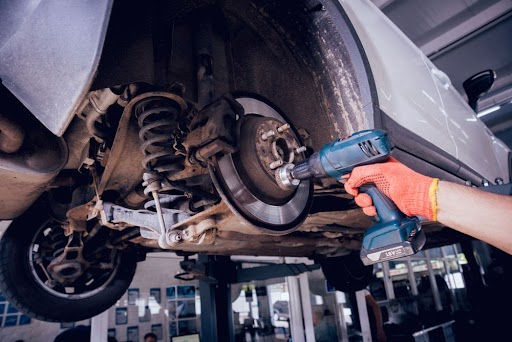
When you are driving through the vast and diverse landscapes of Australia, from the humid streets of Brisbane to the dry heat of the Outback, your vehicle’s braking system is your primary safety line. Whether you are navigating the stop-start traffic of Sydney’s M4 or towing a caravan down the Great Ocean Road, the ability to stop effectively is non-negotiable.
Brake repair is often viewed as a grudge purchase, something to delay until the next service. However, neglecting this system can lead to compromised safety, increased long-term costs, and even defects that could cause your vehicle to fail a roadworthy inspection. Understanding the signs of wear and knowing how to maintain your brakes can save you from expensive caliper replacements or rotor damage down the track.
10 essential tips for brake repair and maintenance
1. Listen for the High-Pitched Warning
Modern braking systems are designed to communicate with you. Manufacturers include a small metal tab known as a wear indicator on the brake pads. When the friction material wears down to a specific level (usually 2–3mm), this metal tab makes contact with the steel rotor. The result is a high-pitched squealing sound.
In Australia, where dusty roads can sometimes cause temporary squeaks, it is important to distinguish between a "morning dew" squeak and a persistent warning. If the sound remains after the brakes have warmed up, it is a clear sign your pads are due for replacement. Ignoring this sound leads to metal-on-metal contact, which destroys the rotors and significantly increases the scope of the brake repair.
2. Understand Brake Shudder and Pedal Feel
Have you ever pressed the brake pedal and felt a vibration pulsing through the steering wheel or the pedal itself? In the local trade, this is often called "brake judder" or "shudder." It typically indicates that your disc rotors have developed Disc Thickness Variation (DTV).
Australian driving often involves heavy braking on highways or long descents in ranges like the Blue Mountains or the Dandenongs. This intense heat can cause rotor surfaces to become uneven if the pads leave deposits or if the metal warps. While some rotors can be machined (skimmed) to restore a flat surface, many modern lightweight rotors are designed to be replaced. If you feel a pulsation, a mechanic needs to measure the rotor thickness against the manufacturer’s minimum specifications.
3. Monitor Your Brake Fluid Condition
Brake fluid is hygroscopic, meaning it absorbs moisture from the atmosphere. In humid Australian coastal cities, this absorption happens faster. As water content increases, the fluid’s temperature resistance drops. Under heavy braking such as towing a trailer or emergency stopping old fluid can become too hot and lose effectiveness, leading to a "spongy" pedal feel where the brakes fail to bite.
Most Australian manufacturers recommend flushing the brake fluid every two years regardless of kilometres travelled. Stick to the fluid type specified on your reservoir cap (usually DOT 3 or DOT 4) and never mix different types. Clear, golden fluid is healthy; dark, murky fluid indicates contamination and a need for immediate service.
4. Respect the Dashboard Warning Lights
Your dashboard is the central nervous system of your car. The brake warning light (often an exclamation mark inside a circle) serves two main purposes. First, it reminds you if the handbrake is engaged. Second, if the handbrake is off and the light stays on, it signals a hydraulic pressure loss or low fluid level.
In modern vehicles equipped with ABS (Anti-lock Braking System), a separate ABS light may illuminate. This does not mean your brakes have failed completely, but it does mean the anti-lock safety feature is disabled. In an emergency stop on a wet road, your wheels could lock up, causing a skid. If either light appears, professional diagnosis is required immediately.
5. The Towing Factor: Upgrading for Load
Australians love to tow. Whether it is a box trailer, a boat, or a heavy caravan, towing places immense strain on your vehicle’s standard braking system. Standard factory brakes are designed for the vehicle's weight, not necessarily the extra 2.5 tonnes you are pulling behind it.
If you tow frequently, consider a brake upgrade. High-performance brake pads with a higher heat tolerance and slotted rotors can help dissipate gases and heat more efficiently. Additionally, ensure your trailer’s electric brakes are synced correctly with your vehicle’s controller. A brake repair specialist can adjust the "gain" on your controller to ensure the trailer drags slightly rather than pushing the car during stops.
6. Prioritize Quality Parts Over Lowest Price
The Australian automotive market is flooded with aftermarket parts, ranging from high-quality OEM (Original Equipment Manufacturer) replacements to cheap, non-compliant imports. When it comes to brake repair, the cheapest option is rarely the safest.
Low-quality brake pads often produce excessive dust, squeal loudly, and fade quickly under heat. More importantly, they may not meet the Australian Design Rules (ADR) for friction performance. Investing in reputable brands ensures that your stopping distance remains short and consistent. Quality pads also tend to be kinder to your rotors, extending the life of the metal components and saving money in the long run.
7. Inspect Brake Hoses and Lines
Rubber brake hoses are the flexible links that connect the rigid metal brake lines to the moving calipers at your wheels. In Australia’s harsh climate, UV exposure and road heat can cause these rubber hoses to crack, swell, or become brittle over time.
A swollen hose can act like a one-way valve, allowing fluid to push the caliper piston out but preventing it from returning. This causes the brake to drag, overheating the wheel and ruining the pad. During any brake repair or service, ask your mechanic to flex the hoses and check for surface cracks. If they show signs of aging, replace them in pairs (both fronts or both rears) to maintain balanced pressure.

8. Master the "Bedding-In" Procedure
After new pads and rotors are installed, they need to be "bedded in" or mated to each other. This process involves transferring a thin layer of pad material onto the rotor surface to generate friction.
Driving aggressively immediately after a brake repair can glaze the new pads, leading to poor performance and noise. A typical bedding-in procedure involves performing several gentle slows from 60km/h to 10km/h, allowing the brakes to cool in between. Ask your technician for specific instructions for the pads they have installed. Proper bedding-in ensures smooth operation and maximum longevity for your new components.
9. Check Wheel Bearings and Suspension
The braking system does not operate in isolation. It relies on the suspension and wheel bearings to keep the tyre firmly planted on the road. Worn shock absorbers can cause the vehicle to dive excessively during braking, increasing stopping distances and putting extra load on the front brakes.
Similarly, a loose wheel bearing can cause the brake rotor to wobble, pushing the pads back and leading to a "long" pedal that requires pumping to engage. A comprehensive brake repair assessment should always include a quick check of the suspension bushings and wheel bearings to ensure the entire corner of the vehicle is stable.
10. Know the Limits of DIY Repairs
Australians are avid DIYers, but brake repair carries significant legal and safety implications. In many Australian states, specific tasks on braking systems may require a licensed mechanic or a sign-off for roadworthiness. While changing pads might be within the scope of a competent home mechanic, opening the hydraulic system (bleeding brakes) or replacing hard lines requires specialized knowledge and tools.
Improperly bled brakes can retain air bubbles, leading to total brake failure. Furthermore, if you are involved in an accident and it is found that faulty DIY work contributed to the crash, your insurance could be compromised. Unless you are confident and equipped with the correct torque wrenches and bleeding kits, entrust major brake work to a qualified professional.
Questions and Answers: Common Questions About brake repair in Australia
Q: How often should I have my brakes checked?
Ans: It is recommended to have your brakes inspected at every logbook service, which is typically every 10,000 to 15,000 kilometers or every six months. However, if you drive in heavy city traffic or tow frequently, you may need more frequent inspections. Mechanics will measure the pad thickness and test the fluid quality during these routine checks.
Q: Can I drive my car if the brake light is on?
Ans: No, you should not continue to drive normally if the red brake warning light is illuminated. This light indicates a critical fault, such as low fluid or hydraulic failure, which could result in a complete inability to stop. Pull over safely, check the handbrake, and if the light persists, arrange for a tow to a repair centre.
Q: Why is my brake pedal sinking to the floor?
Ans: A pedal that sinks to the floor, often described as "spongy," usually indicates air in the hydraulic lines or a master cylinder internal leak. It means the pressure you apply is not being effectively transferred to the wheels. This is a dangerous condition that requires immediate professional brake repair to bleed the system or replace the failing cylinder.
Q: Do I always need to replace rotors when changing pads?
Ans: Not always. If the rotors are still above the minimum thickness specified by the manufacturer and have a smooth surface, they can often be retained. Sometimes they can be machined (resurfaced) to remove minor grooves. However, many modern rotors are designed to be thinner to save weight and are often "throw-away" items that require replacement alongside the pads.
Q: What causes brake dust on my wheels?
Ans: Brake dust is the result of the friction material wearing away as it grinds against the rotor. European vehicles often use softer, high-performance pad compounds that generate more dust but offer excellent stopping power. Ceramic brake pads are an option for drivers who want to reduce visible dust, as they produce a lighter-coloured, finer dust that is less noticeable on alloy wheels.
Conclusion: Your Path to a Successful brake repair in Australia
Maintaining your vehicle’s braking system is about more than just passing a roadworthy inspection; it is about ensuring the safety of your family and other road users. By staying vigilant for warning signs like squeals, vibrations, and dashboard lights, you can catch issues early before they escalate into major repairs.


Comments